Dr. Manjula is our senior consultant. She’ll turn any of your health concerns into a treatment plan, ensuring your visit is smooth and exceeds your expectations.
Dr. Jayant Kumar
The Medical Team
Dr. Jayant has a background in medicine, patient care and health administration. With these strong skills in his toolbox, he will take care of your health needs, as well as create a supportive environment for you and your family.
Our team
Dr. B K Purohit
General & Laparoscopic Surgeon
Dr. Sujata Hota
Obstetrician & Gynaecologist
Dr. Deepak Kumar Sinha
Anaesthetist
Dr. Jitesh Ranjan
Pediatrician
Our services in Obstetrics & Gynaecology
Normal Delivery
C-Section
Hysterectomy
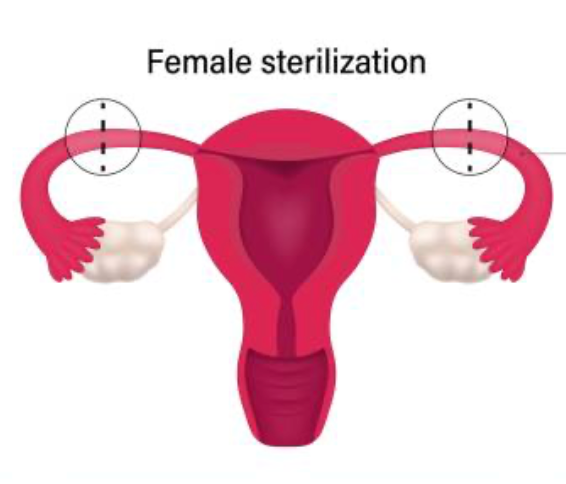
Tubal Ligation
Colposcopy
Dialatation & Curettage
Vaccination
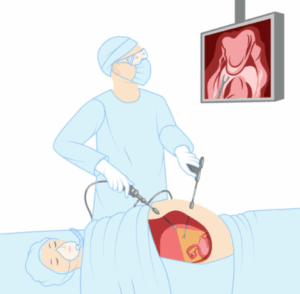
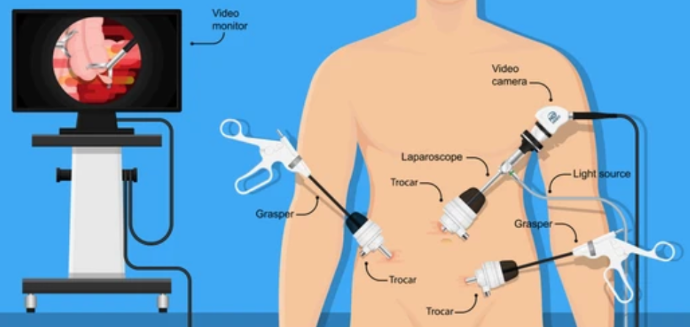
Laparoscopic Procedures
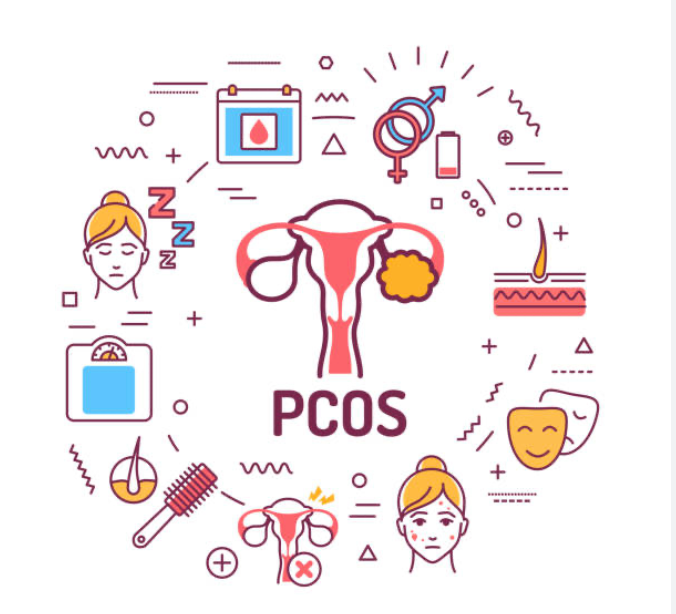
PCOS – Poly Cystic Ovarian Syndrome
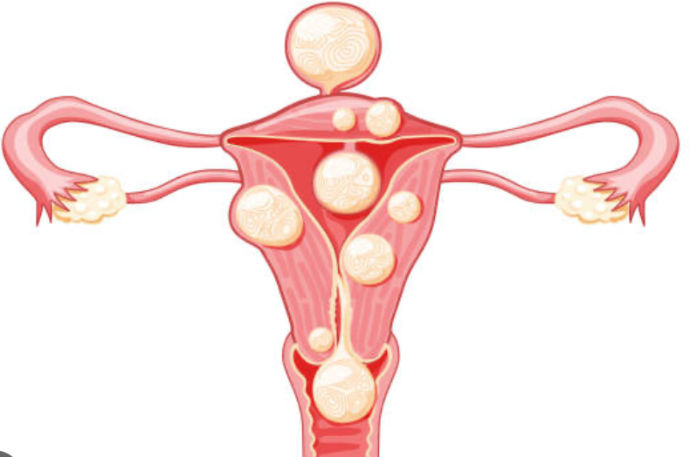
Fibroid
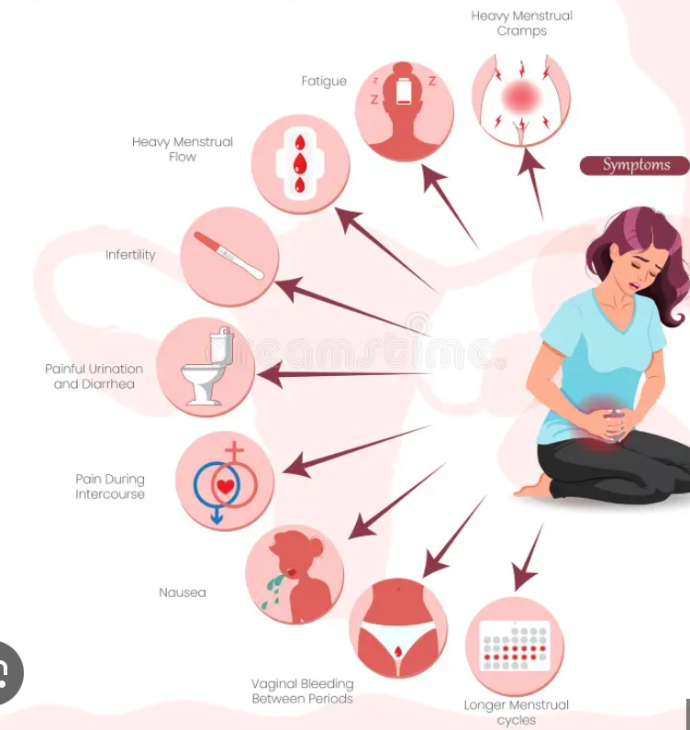
Endometriosis
Infertility
Our services in General Surgery
Laparoscopic Appendicectomy
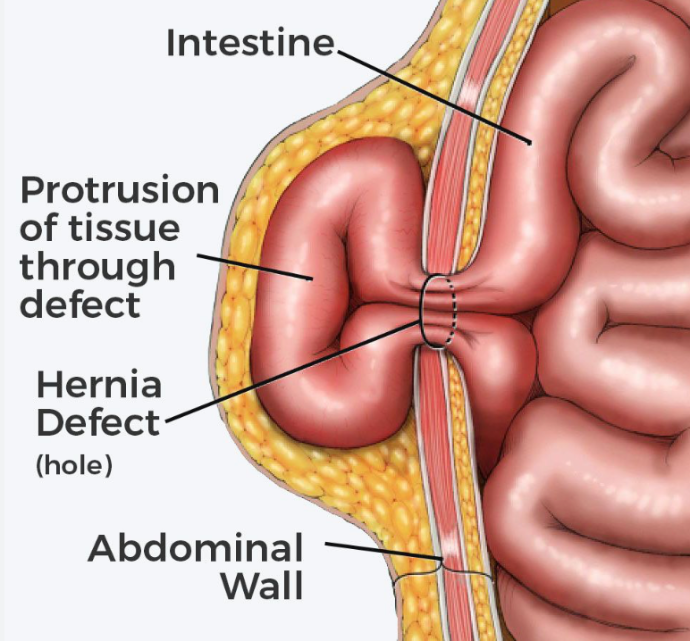
Hernia Repair
Laparoscopic Cholecystectomy
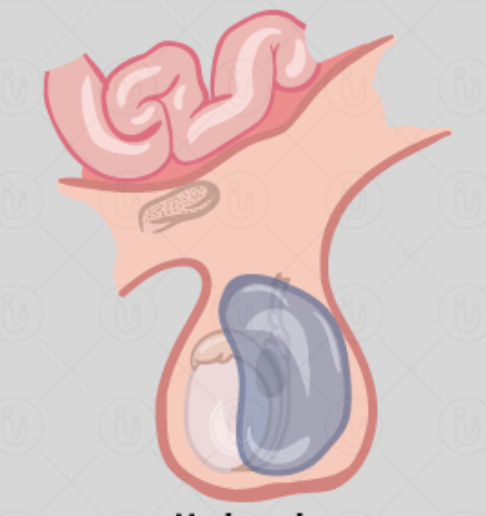
Hydrocoele
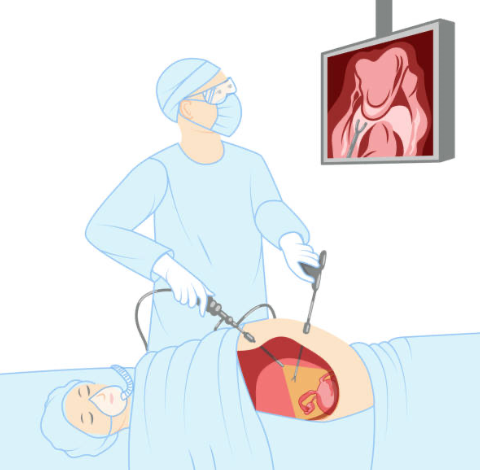
Laparoscopic Procedures
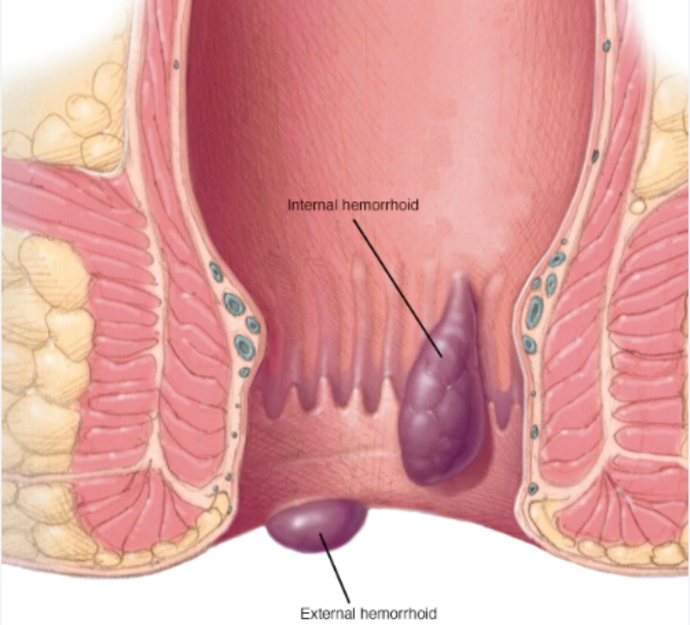
Piles
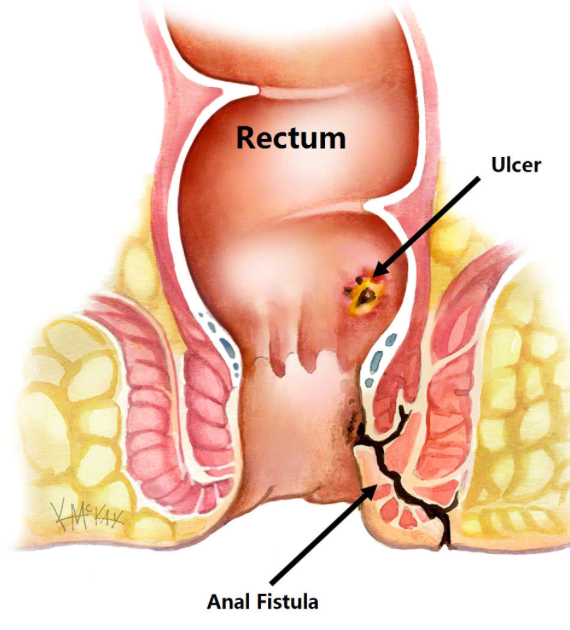
Fistula
State-of-the-art facilities
We help you find the ideal treatment options that match your health goals and vision.
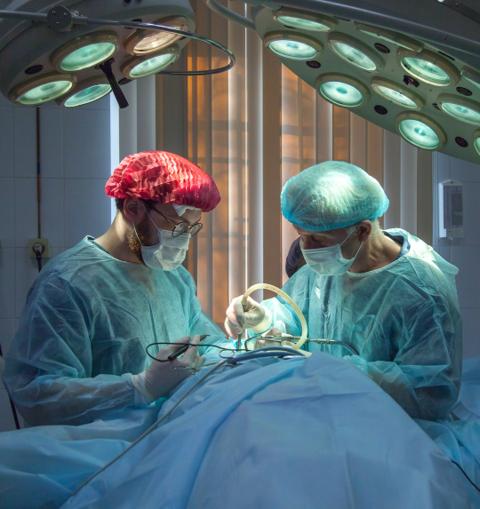
Experience healthcare excellence with our modern amenities:
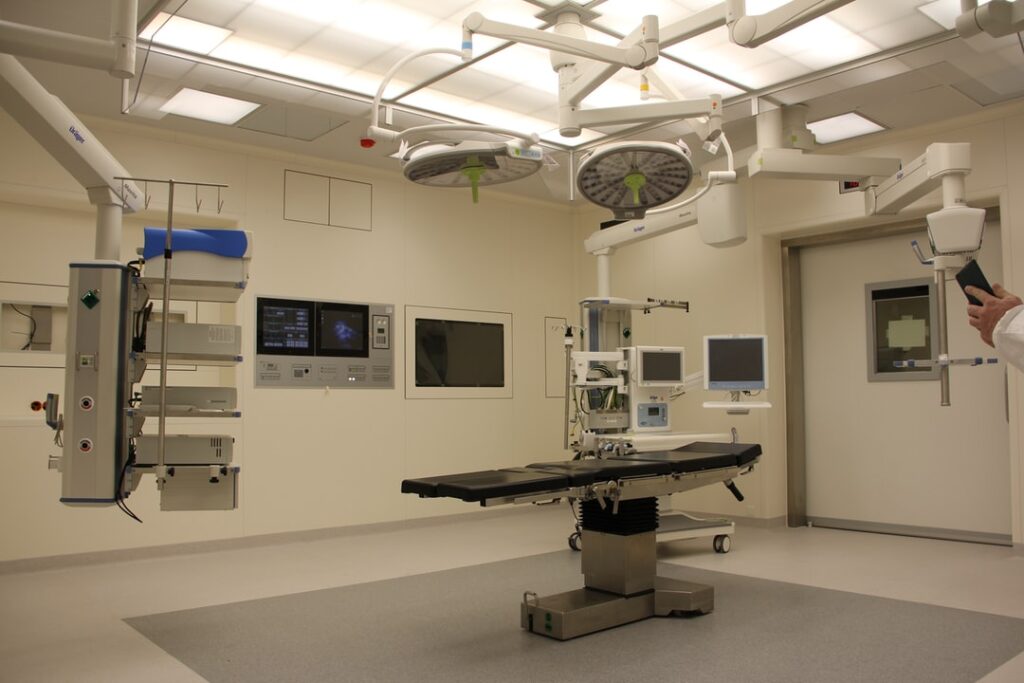
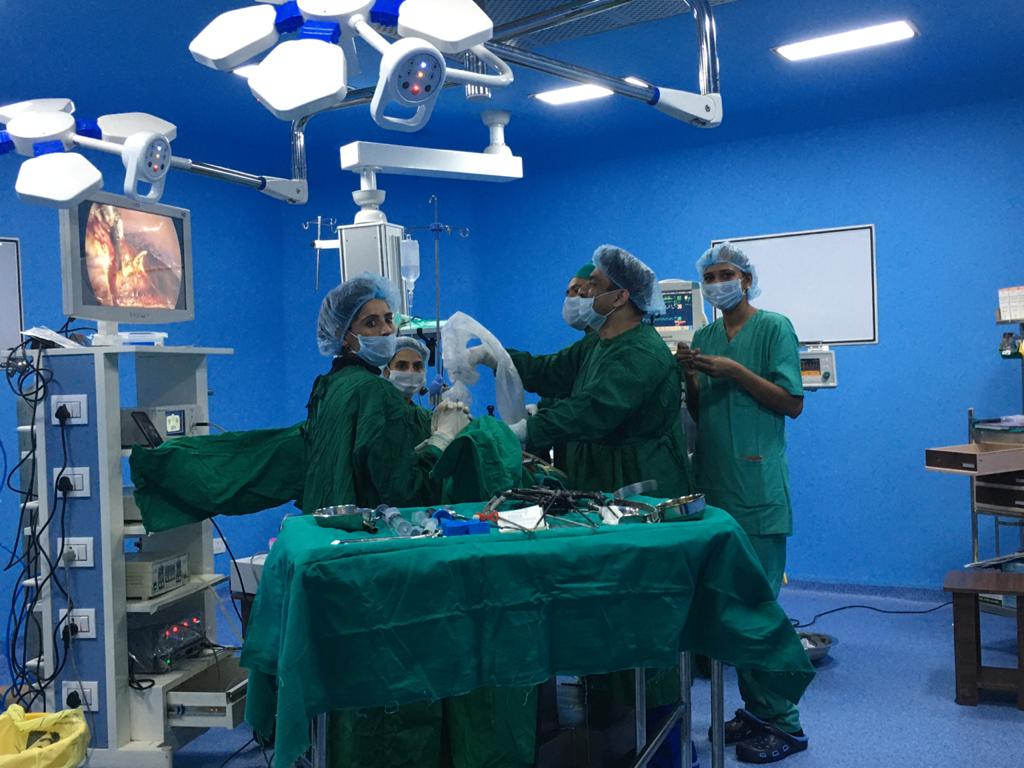
- Advanced Operation Theatres
- High-tech Diagnostic Labs
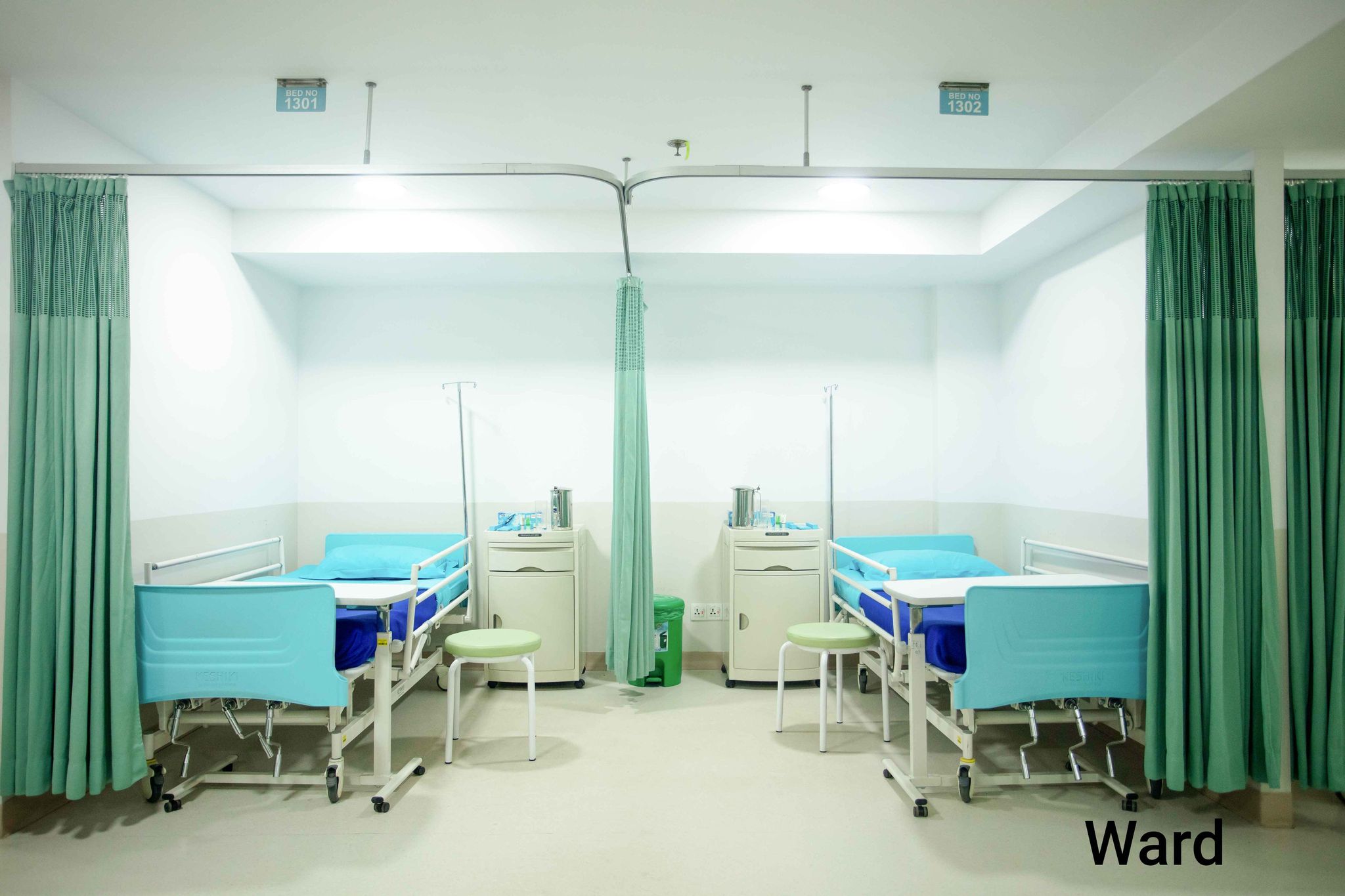
- Comfortable Patient Rooms
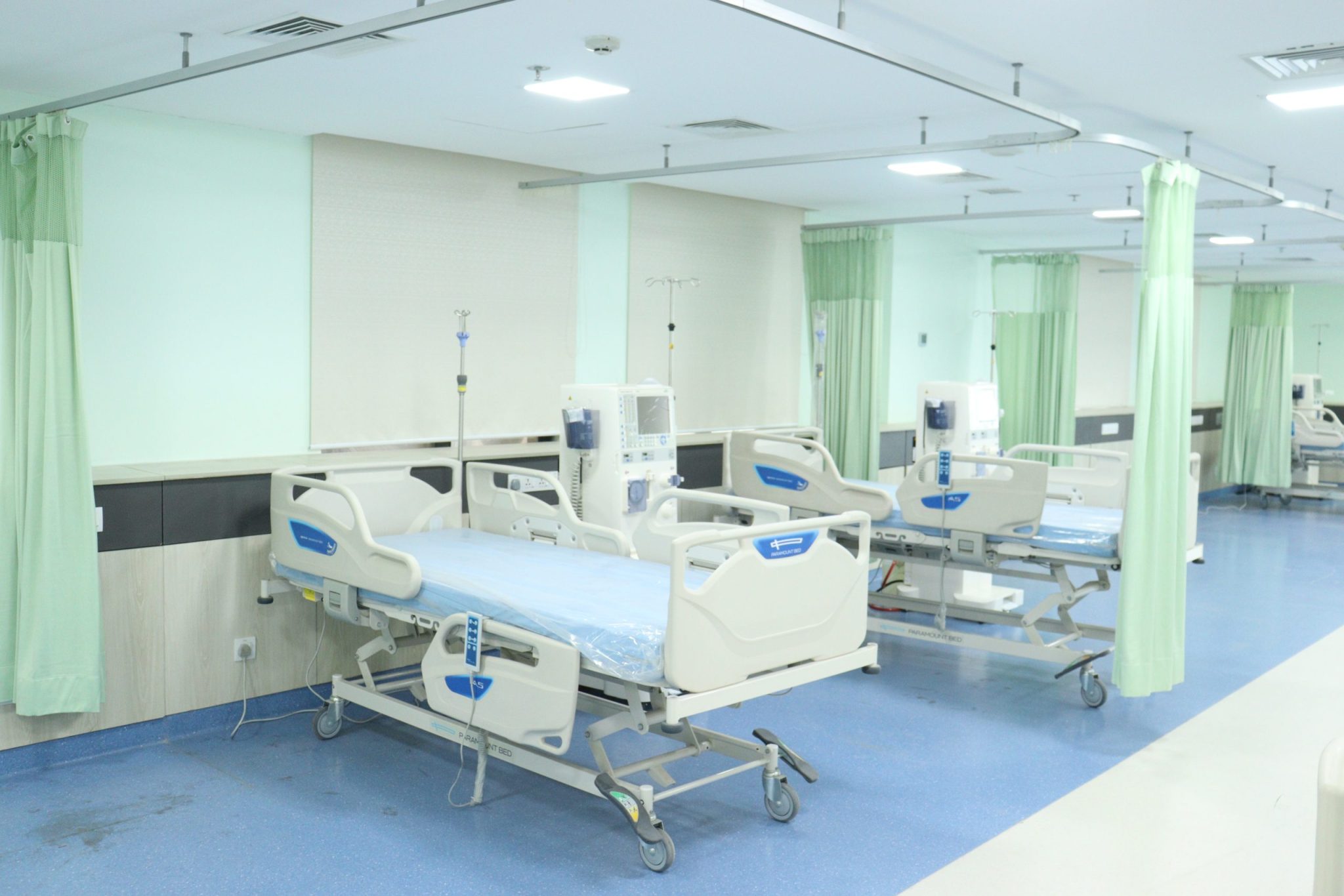
- Critical Care Units
- Rehab & Therapy Centres
Offering comprehensive medical services
At Anand Clinic, we offer a wide range of medical services to cater to your healthcare needs. Our team of expert doctors, nurses, and medical professionals are dedicated to providing high-quality care and compassion.
Monitoring your health
Take charge of your well-being with our comprehensive health monitoring services. Our expert team and state-of-the-art technology help you track your health metrics and stay on top of your wellness goals.
Frequently asked questions
Here are some common questions asked by “Mothers to be“:
1.When should I schedule my first prenatal visit?
You should schedule your first prenatal visit as soon as you find out you’re pregnant, ideally within the first 6–8 weeks. Early care helps monitor the baby’s development and your health.
Accordion Item
2. How do I know if my pregnancy is progressing normally?
Regular check-ups, ultrasound scans, and blood tests will track the progress. Normal signs include steady weight gain, fetal movements, and absence of severe pain or bleeding.</span></p></span></button>
</div>
3.What are the common symptoms during each trimester?
First trimester : Nausea, fatigue, mood swings, breast tenderness.Second trimester More energy, baby bump growth, baby movements. Third trimester Backaches, frequent urination, swelling in feet, and Braxton Hicks contractions.
4. What foods should I eat or avoid during pregnancy?
Eat fresh fruits, vegetables, whole grains, dairy, and protein-rich foods. Avoid raw meat, unpasteurized dairy, high-mercury fish, excess caffeine, and alcohol.
5. What vitamins or supplements should I take?
Folic acid (400–600 mcg/day), iron, calcium, and vitamin D are commonly recommended. Your doctor will prescribe prenatal vitamins based on your needs.
6. What are warning signs I should never ignore during pregnancy?
Severe abdominal pain, heavy bleeding, reduced fetal movement, fever, persistent vomiting, blurred vision, or sudden swelling should be reported immediately.
7. How much weight should I gain during pregnancy?
On average, 11–16 kg (25–35 lbs) is considered healthy, but it varies based on your BMI. Your doctor will guide you based on your individual condition.</span></p></span></button></div>
8. How can I prevent stretch marks or back pain?
Use moisturizers for the skin, maintain a healthy weight, and practice gentle stretching or prenatal yoga. For back pain, maintain good posture and avoid lifting heavy objects.
9. What are the risks of high blood pressure or diabetes in pregnancy?
These conditions can increase risks of preeclampsia, preterm birth, or complications during delivery. Regular check-ups and proper management can reduce risks significantly.
10. What tests or ultrasounds are needed to check the baby’s health?
Key scans include the dating scan (6–8 weeks), NT scan (11–14 weeks), anomaly scan (18–22 weeks), and growth scans. Blood tests check for infections and abnormalities.
11. How will I know I’m in labor?
Signs include regular, painful contractions, water breaking, and lower back pain. If you’re unsure, contact your doctor or hospital.
12. How long does labor usually last for first-time mothers?
It can last from 12 to 24 hours or more. Active labor (with strong contractions) usually lasts 6–12 hours for first-time mothers.
PORTFOLIO
Discover some of the latest healthcare moments we helped to create
Testimonial
"The care I received was exceptional and made all the difference in my recovery". A satisfied patient
Mrs .AnitaTreated in 2019
Everything was so well- organized, we couldn't have asked for better care !
Mrs.SunitaTreated in 2021
They made our experience seamless and absolutely reassuring !
Mrs. LakshmiTreated in 2020
Our Location :
Health Related Blogs
1. Early Signs of Pregnancy You Shouldn't Ignore
Recognizing early signs of pregnancy helps in timely prenatal care. Common symptoms include missed periods, nausea (morning sickness), fatigue, frequent urination, and breast tenderness. Some women also experience mood swings and food aversions. If you suspect pregnancy, consult a gynaecologist early for confirmation and guidance. Early prenatal visits help track fetal development and ensure maternal well-being.
Additionally, early care allows doctors to advise on essential supplements like folic acid and helps in screening for conditions such as gestational diabetes or thyroid imbalances. It’s also a good time to discuss lifestyle modifications like quitting smoking, avoiding alcohol, and eating a balanced diet. Recognizing and addressing these signs early ensures a healthier pregnancy journey.
2. Understanding PCOS: Causes, Symptoms, and Treatment
Polycystic Ovary Syndrome (PCOS) is a hormonal disorder affecting 1 in 10 women. Symptoms include irregular periods, excessive hair growth, acne, and weight gain. Causes involve insulin resistance and hormonal imbalance. Treatment includes lifestyle changes like diet, exercise, and medications to regulate periods and manage symptoms. Early diagnosis is crucial to prevent complications like infertility or diabetes.
PCOS can also lead to mental health concerns such as anxiety and depression due to hormonal changes and body image issues. A holistic approach that includes mental well-being is essential. Women with PCOS are advised to monitor their weight, reduce sugar intake, and consult their gynaecologist regularly for hormonal evaluation and long-term management strategies.
3. Benefits of Regular Gynaecological Check-Ups
Annual visits to a gynaecologist can detect issues like infections, fibroids, or early signs of cancer. These check-ups typically include pelvic exams, Pap smears, and breast exams. Regular screenings empower women to manage reproductive health proactively, especially after age 30. Early detection often leads to simpler, more effective treatment.
Moreover, these visits are an opportunity to discuss menstrual concerns, contraception options, and preconception planning. For women nearing menopause, screenings help manage symptoms and monitor risks like osteoporosis. Routine gynaecological care promotes overall health, addresses concerns early, and encourages informed health choices at every life stage.
4. Managing Menstrual Irregularities
Irregular periods may stem from stress, PCOS, thyroid issues, or drastic weight changes. They can lead to fertility challenges or signal underlying conditions. Tracking your cycle and seeking medical advice helps identify the cause. Treatments may include hormonal therapy, lifestyle adjustments, or managing underlying diseases like hypothyroidism.
Long-term menstrual irregularities can also affect quality of life due to unpredictable bleeding and mood changes. Keeping a menstrual diary helps both the patient and doctor identify patterns and choose appropriate tests. In adolescents, irregular periods can indicate hormonal changes needing careful evaluation. Personalized treatment plans ensure relief and restore hormonal balance effectively
5. Everything You Need to Know About Fibroids
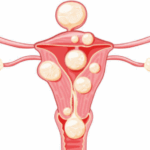
Fibroids are non-cancerous growths in the uterus. Symptoms include heavy periods, pelvic pain, and frequent urination. Many women have fibroids without symptoms. Causes are unclear but linked to hormones and genetics. Diagnosis is via ultrasound. Treatments include medication, hormonal therapy, or surgery depending on size, location, and symptoms.
Fibroids can vary in size—from a small seed to a large mass—and can affect fertility or pregnancy outcomes in some cases. Minimally invasive options like laparoscopic surgery and uterine artery embolization offer faster recovery. Women should not ignore symptoms like heavy bleeding or pressure in the abdomen and should consult a gynaecologist for timely management.
6. Safe Motherhood: What to Expect During Prenatal Visits
Prenatal visits are vital for a healthy pregnancy. The first visit confirms pregnancy and assesses medical history. Subsequent visits monitor baby growth, blood pressure, weight, and fetal heartbeat. Tests like ultrasounds and blood work help detect abnormalities. These visits ensure timely intervention and reduce pregnancy risks.
Prenatal care also includes screening for anemia, gestational diabetes, and infections. Your doctor will guide you on nutrition, supplements, and vaccinations such as tetanus. Emotional support, birth plan discussions, and preparations for labor and delivery are also part of prenatal care. Consistent follow-up is key to detecting and addressing issues early.
7. Normal vs. C-Section Delivery: Making an Informed Choice
Both vaginal (normal) and C-section deliveries are safe when medically justified. Vaginal delivery has quicker recovery, while C-section may be required for complicated pregnancies. Factors influencing delivery type include baby’s position, mother’s health, and previous deliveries. Discussing your birth plan with your gynaecologist ensures a safe and suitable decision.
C-sections may be planned or emergency-based due to reasons like prolonged labor, fetal distress, or placenta previa. Vaginal birth after cesarean (VBAC) is possible in some women. Each method has its pros and recovery protocols. Open communication with your healthcare provider ensures a birth plan tailored to your specific needs and safety
8. Postpartum Care: Healing and Health After Delivery
Postpartum care involves physical recovery, mental health monitoring, and infant care guidance. Common issues include bleeding, breast discomfort, and mood swings. Rest, nutrition, and family support are essential. A postnatal check-up within six weeks is recommended to assess healing, contraception, and emotional well-being.
Mothers may also face challenges like postpartum depression, breastfeeding difficulties, or sleep deprivation. Lactation consultants and postpartum support groups can be very helpful. It’s important to seek help if you feel overwhelmed. Proper postpartum care ensures recovery, helps mothers transition smoothly into their new roles, and strengthens family bonding.
9. Cervical Cancer Screening: Why It's Important
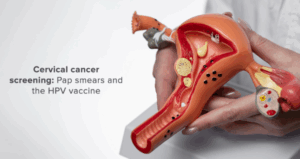
Cervical cancer can be prevented with regular Pap smears and HPV vaccinations. Screening detects abnormal cells early. Women aged 21 to 65 should undergo periodic screening based on medical advice. Vaccination before sexual activity offers best protection. Awareness and early detection save lives.
Screenings are quick and usually painless procedures. If abnormalities are found early, treatment is often highly effective. In rural or underserved areas, awareness is still low—hospitals must take an active role in community education. Women should be encouraged to overcome fear and stigma associated with pelvic exams. Prevention is the first step to eliminating cervical cancer.
10. Menopause: Symptoms and How to Manage Them
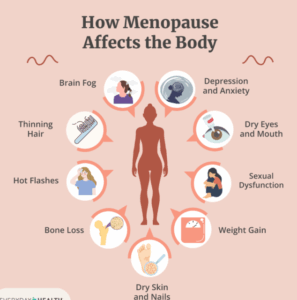
Menopause usually occurs between 45–55 years. Symptoms include hot flashes, night sweats, mood changes, and sleep disturbances. Hormonal changes may also affect bone health and metabolism. Lifestyle changes, HRT (hormone replacement therapy), and regular check-ups help manage symptoms. Talking to your doctor can make this transition smoother and healthier.
Women may also experience vaginal dryness, reduced libido, and urinary problems. Calcium and Vitamin D intake becomes important, along with bone density monitoring. Emotional changes are common and can be supported through counseling or peer groups. Embracing menopause as a natural life phase and seeking guidance ensures confidence and well-being during this transition.
Discover how we can support you
in achieving optimal health.